Ranking
#475

METAL - ROCK
Ranking
#475
Followers
143.3 K
2 editions to explore · future, live and past
Numbers, home base and house quirks
Barcelona Rocks began with a gap in the calendar. In 2023, redevelopment work at Parc de Can Zam in Santa Coloma de Gramenet meant that Barcelona Rock Fest could not return in its familiar form: several days of music, large outdoor stages and a programme built around long stretches of hard rock and heavy metal. Rather than let the summer pass without an event connected to that community, the organisers created a one-day alternative intended to carry part of the parent festival’s spirit through an unavoidable year off.
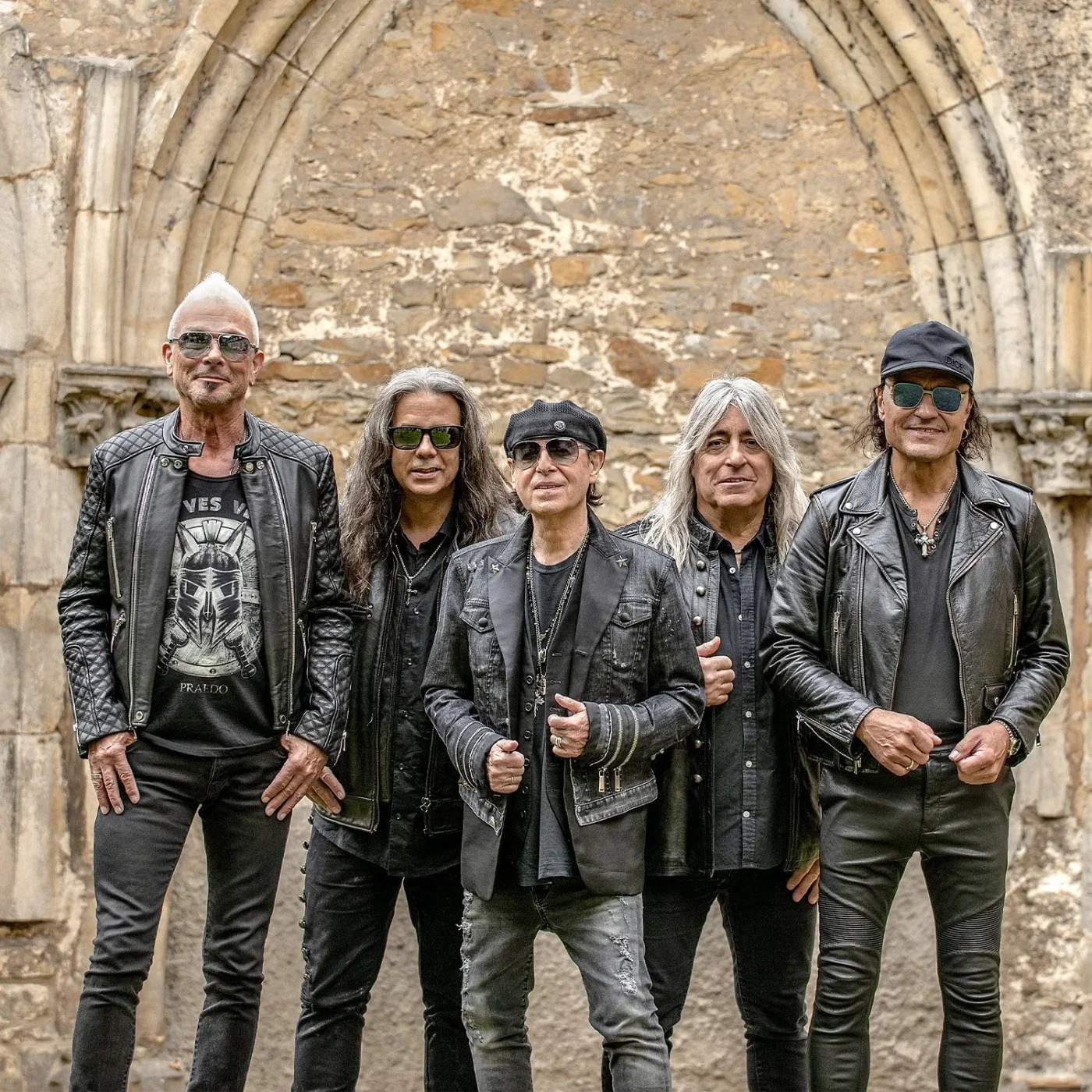
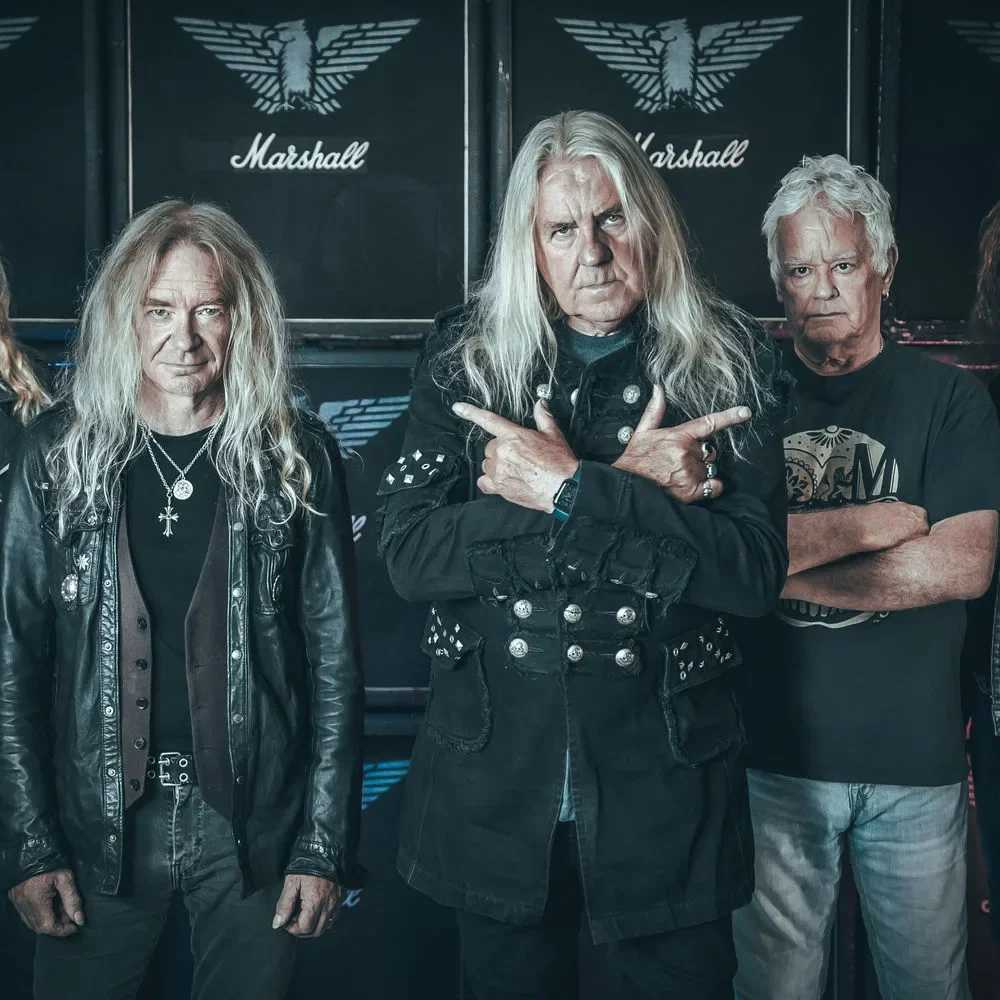
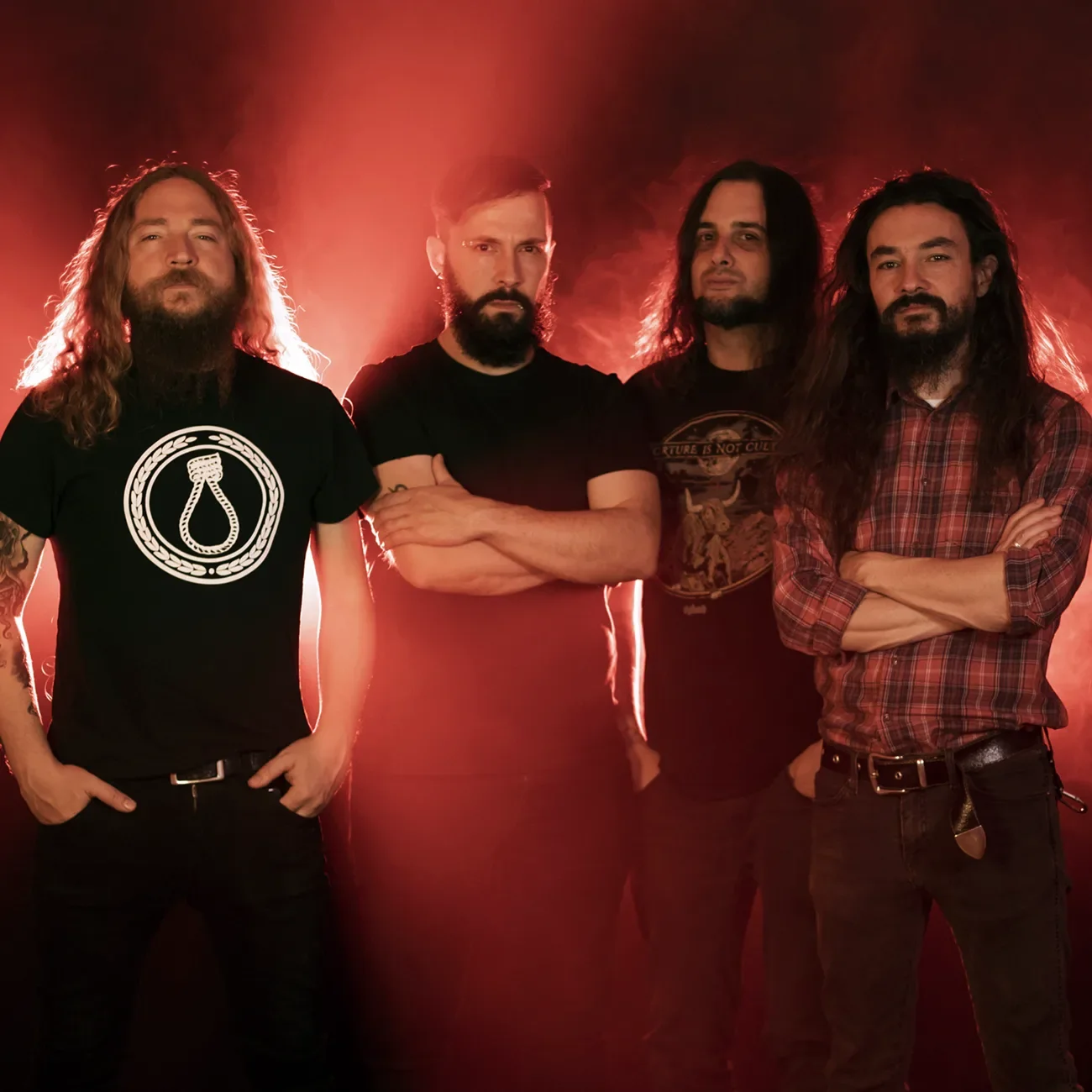
The original plan still felt like a proper festival. Barcelona Rocks was announced for 8 July 2023 at the Palau Olímpic de Badalona, with more than ten hours of live music and six bands. Scorpions and Saxon were placed at the top of a bill that also featured Angelus Apatrida, Eclipse, H.E.A.T. and Ross the Boss. It was a deliberately broad metal gathering, linking classic European heavy rock with melodic Swedish hard rock and the sharper, more physical edge of Spanish thrash.
That plan did not survive intact. Only days before the event, Barcelona Rocks moved from Badalona to the Sant Jordi Club on Montjuïc. The new venue was considerably smaller, existing tickets were converted to standing-floor admission and technical and scheduling adjustments removed H.E.A.T. and Ross the Boss from the line-up. What had been sold as a lengthy six-band festival was reduced to four consecutive performances in a compact indoor hall.
The changes caused frustration, and understandably so. Fans had arranged their day around a different venue, a longer running time and a larger bill. Barcelona Rocks arrived carrying the awkward tension of an event trying to preserve goodwill while changing several of the things people had originally paid for. Yet the atmosphere inside the Sant Jordi Club was less confrontational than the discussion surrounding it. Thousands still made the journey up Montjuïc in the July heat, filled the floor and treated the evening as a chance to reconnect with a scene that had lost its usual summer gathering.
The format left little room for distraction. There were no competing stages, sprawling festival walks or difficult clashes to negotiate. Once inside, the audience stayed focused on a single sequence of bands. Eclipse opened with polished melodic hard rock, big choruses and the kind of direct songs that work quickly in a room still filling up. Angelus Apatrida then pushed the evening into heavier territory, bringing speed, precision and thrash-metal intensity to a crowd that was no longer content simply to watch.
Saxon provided the historical bridge. Their set drew on the force and economy of the New Wave of British Heavy Metal, with riffs and choruses that had been part of the audience’s lives for decades. The room contained several generations at once: long-time metal fans in tour shirts from another era, regular Barcelona Rock Fest attendees and younger listeners discovering those songs far removed from their original release dates.
Scorpions closed the night as the main attraction. Their performance balanced material from Rock Believer with a catalogue that has become part of the shared language of arena rock. “Still Loving You”, “Wind of Change” and “Big City Nights” shifted the evening from a sequence of concerts into a large communal singalong. Whatever doubts had surrounded the event’s organisation, those songs created a familiar point of contact between the stage and the floor.
Barcelona Rocks did not become an independent annual festival, nor did it fully reproduce the scale and culture of Barcelona Rock Fest. It worked instead as a temporary bridge: smaller, shorter and more complicated than originally planned, but capable of keeping a community together for one summer night. Its identity lies in that contradiction—a festival reduced almost to a concert, created not to launch a new tradition, but to prevent an existing one from disappearing completely while it waited to return.
Genres
METAL
ROCK
Timeline
One artist per year — highest ranked in our archive
Those who appear most across this franchise's editions.