Ranking
#35

FOLK - METAL - ROCK
Ranking
#35
Followers
2.9 M
When
28–JUL 31, 2027
Featured artists
Lineup coming — we'll publish it as soon as it's confirmed.
Time left
37 editions to explore · future, live and past
 2027
2027Wacken Open Air 2027
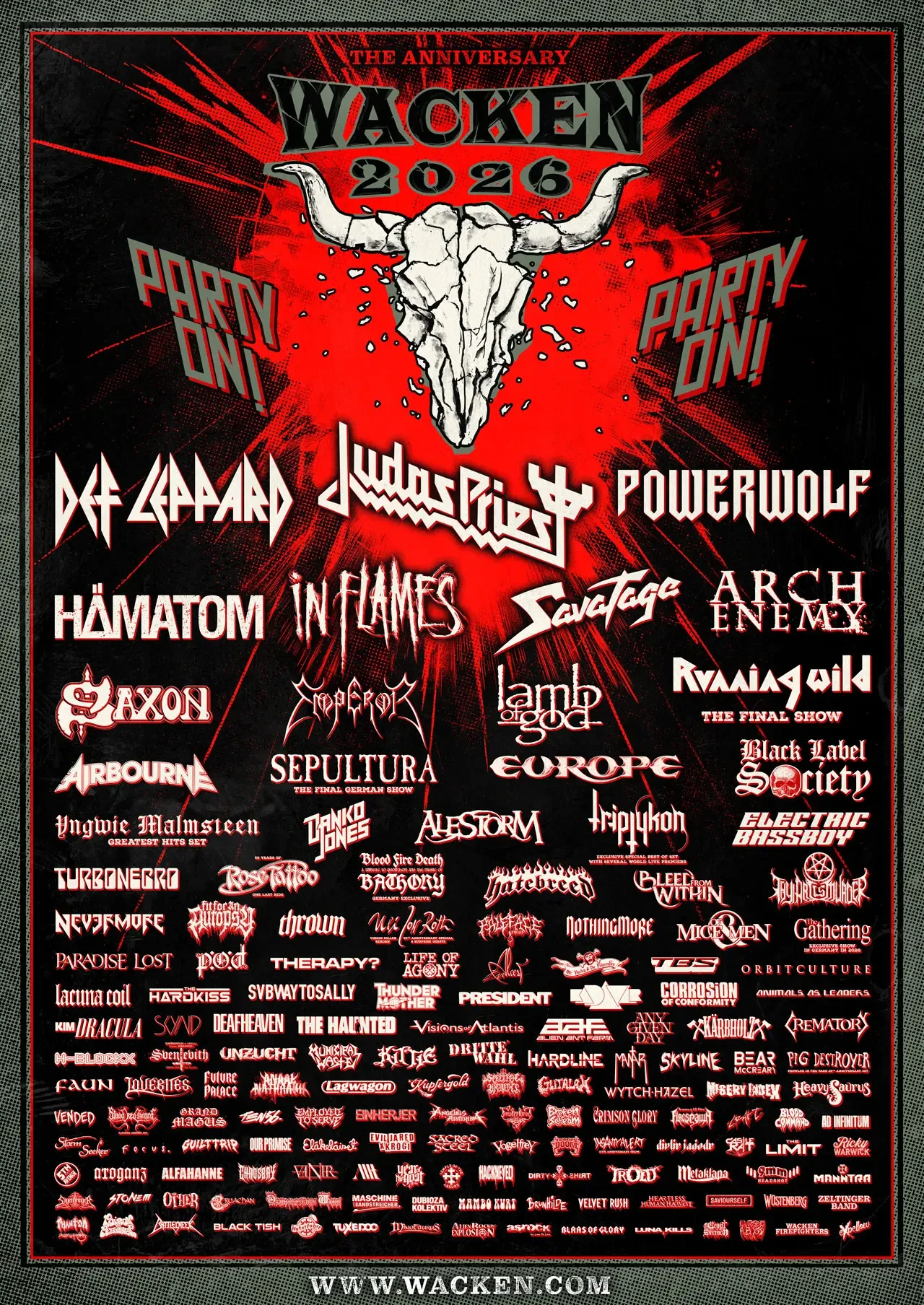 2026
2026Wacken 2026
Numbers, home base and house quirks
Wacken Open Air is much more than a metal festival: it is a village turned into myth. Every summer, a small town in Schleswig-Holstein, northern Germany, stops being only Wacken and becomes a world capital of heavy metal. What makes it extraordinary is not only the size of the event, the stages or the number of bands, but the way a rural, seemingly unlikely place became a sacred word for millions of metalheads. Saying “I’m going to Wacken” does not sound like saying “I’m going to a concert.” It sounds like announcing a pilgrimage.
The story began in 1990 in an almost handmade way. Thomas Jensen and Holger Hübner, both deeply connected to the village and the local scene, imagined an open-air event for hard rock and metal fans in their own region. The first edition had six mostly local bands, basic equipment, improvised production and only 800 tickets sold. Nothing about that beginning looked destined to become a global institution. But the seed was already there: a small community, an honest passion for metal, a field, volume, beer, friendship and a very simple idea that kept growing without completely losing its original spirit.
Unlike festivals born as products designed from above, Wacken grew from below. First it was a local gathering, then a regional meeting point, then a European destination and finally a global symbol. That growth did not erase the identity of the village; on the contrary, it made it central to the festival’s charm. Wacken does not try to hide that it happens in a small place. It embraces it. The contrast between cows, fields, rural roads, mud, tractors, farms and some of the heaviest riffs on the planet is an essential part of its personality. At Wacken, metal does not feel like an urban spectacle, but like a ritual invasion of the German countryside.
The festival has an almost religious relationship with its own ground. Fans call it the Holy Ground, and that is not an empty exaggeration. For many attendees, stepping into the Infield, seeing the main stages, walking through Wackinger Village, reaching the campground, passing through the Metal Markt or raising the horns in front of thousands of people is a rite of belonging. Wacken understands that metal is not only loud music, but identity, aesthetics, humor, brotherhood, resistance and shared memory. That is why the festival works through its symbols as much as through its headliners.
Musically, Wacken covers a huge range of the metal universe. It can bring together classic heavy metal legends, power metal bands, thrash, death, black, doom, folk, pagan, symphonic, industrial, hardcore, metalcore and acts closer to hard rock or alternative culture. That breadth does not make it generic; it makes it encyclopedic. Wacken is one of those rare places where veterans in patch-covered jackets, teenagers discovering their first extreme bands, fans of virtuoso guitars, lovers of darkness, devotees of festive metal and curious newcomers all share the same ground.
The experience is not limited to the lineup. Camping is part of the festival’s heart. The arrival, setting up, rain, mud, improvised food, flags, unknown neighbors, endless walks and absurd conversations become part of the Wacken memory as much as the concerts themselves. The weather, often unpredictable, has become part of the myth. At Wacken, mud is not only an inconvenience; it can become a badge. Surviving it, laughing at it and still singing is part of the pact.
There is also an important institutional dimension. Wacken Metal Battle connects the festival with emerging bands from around the world, while the Wacken Foundation reinforces the idea that the festival does not only consume metal culture, but also tries to feed it. That network helps make Wacken more than a sequence of big names. It functions as ecosystem, showcase, tradition and platform.
Wacken Open Air matters because it achieved something few festivals manage: becoming a real place and a legend at the same time. It is massive, but still carries a community imagination. It is professional, but keeps a trace of rural madness. It is global, but remains tied to a small village. For metal, Wacken is not simply a famous festival. It is a promise: that for a few days, the heaviest music can build its own nation of mud, fire, beer, guitars and loyalty.
Genres
FOLK
METAL
ROCK
Timeline
One artist per year — highest ranked in our archive
Those who appear most across this franchise's editions.
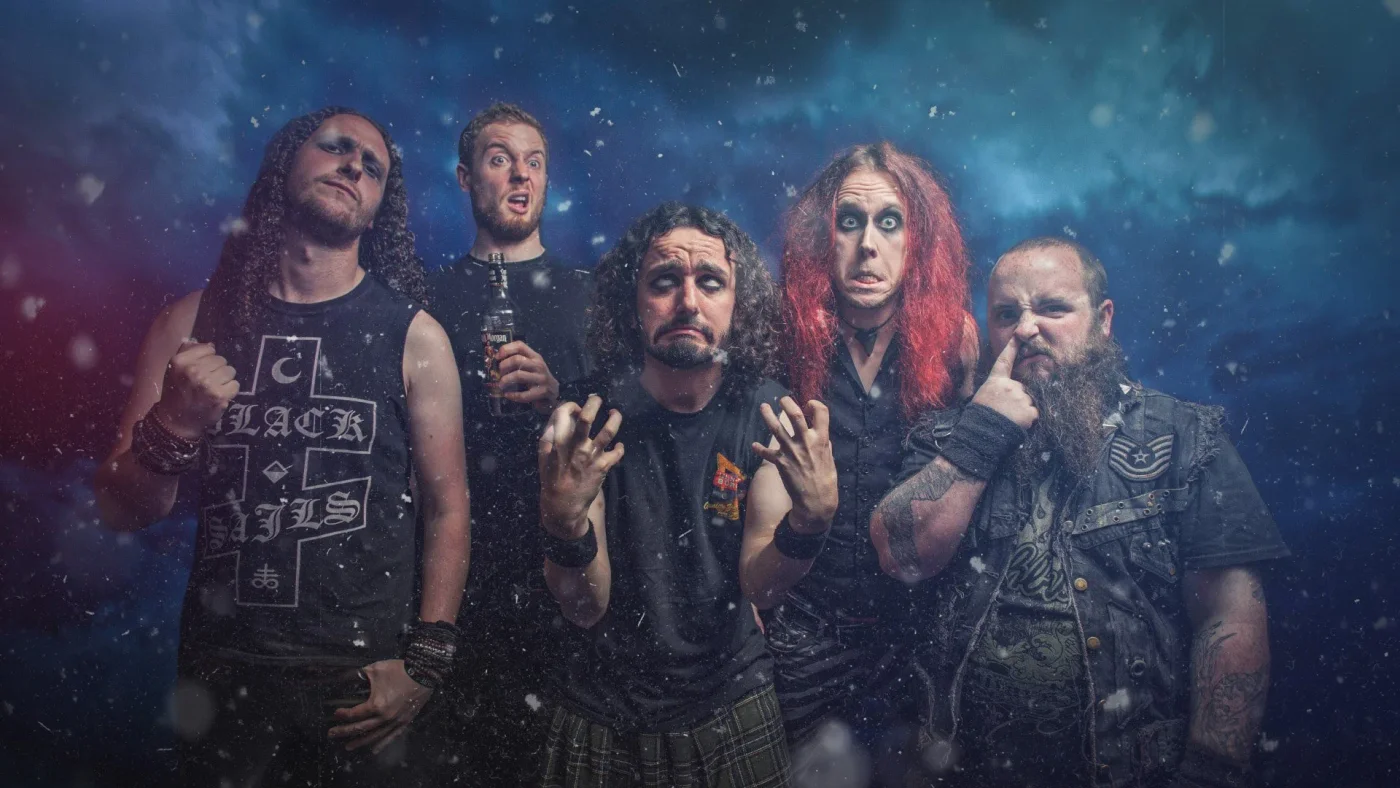 #1
#1United Kingdom
2 editions · 2023–2026
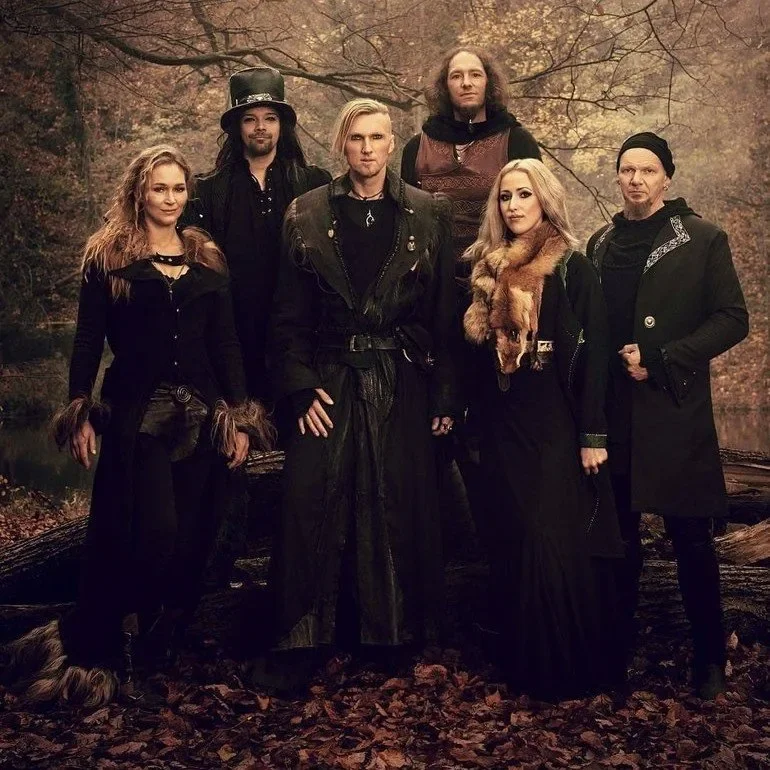 #2
#2Germany
2 editions · 2023–2026
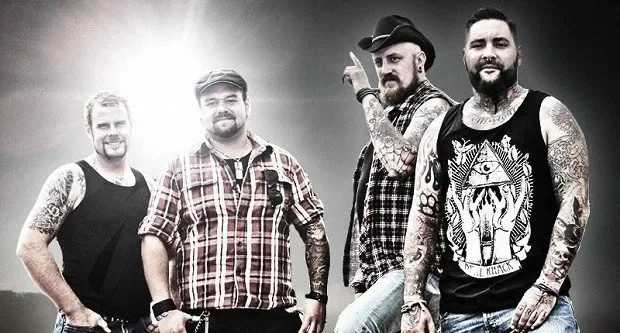 #3
#3Germany
2 editions · 2023–2026