Ranking
#1,234

FOLK - METAL - ROCK
Ranking
#1,234
When
05–AUG 08, 2027
Featured artists
Lineup coming — we'll publish it as soon as it's confirmed.
Time left
6 editions to explore · future, live and past
Numbers, home base and house quirks
On Saturday night, there is a moment when tens of thousands of individual fantasies suddenly point in the same direction. Elves, Vikings, witches, elaborate creatures, Victorian wanderers, druids, metal fans and visitors wearing ordinary clothes gather around a large woven sculpture filled over the previous days with small combustible offerings. Then the Wicker is set alight. Some people treat the ritual as spiritually meaningful, others as a symbolic way to release something, and some simply watch because an enormous burning figure beneath the trees is impossible to ignore. Castlefest works because it does not demand a single interpretation. For four days at Kasteel Keukenhof, imagination, music, pagan symbolism, craft, costume and community are allowed to overlap without anyone needing to agree exactly what sort of world they have entered.
That world began on a much smaller scale in 2005. Mark van der Stelt, Natasja Marchal and Rob van der Stelt founded Vana Events and staged the first Castlefest on the Keukenhof estate, drawing roughly 3,500 visitors. Steve and Jennifer Evans-van der Harten of Omnia became important collaborators during the early period, while the band itself helped establish the pagan-folk sound closely associated with the festival. Castlefest was never simply a medieval fair with a few amplified bands added at night. Music sat alongside fantasy culture, historical inspiration, alternative spirituality, craft and the kind of self-expression that did not always have an obvious public home in the Netherlands. The audience was therefore part of the concept from the beginning rather than a neutral crowd assembled in front of a stage.
The grounds around Kasteel Keukenhof allow that idea to unfold gradually. Castlefest is sometimes casually associated with the world-famous Keukenhof flower attraction nearby, but its actual landscape is the castle estate: wooded areas, lawns and gardens large enough to hold stages, markets, villages and quieter environments without turning everything into one flat arena. A walk can lead from a folk concert beneath the trees to a fantasy author, a leatherworker, a historical lecture or a group discussing runes and modern pagan practice. There are games, storytelling, workshops, food, role-play elements and spaces designed for children. The event rarely offers one perfect viewpoint from which the whole thing makes sense. Its pleasure comes from wandering until the next small world appears behind the trees.
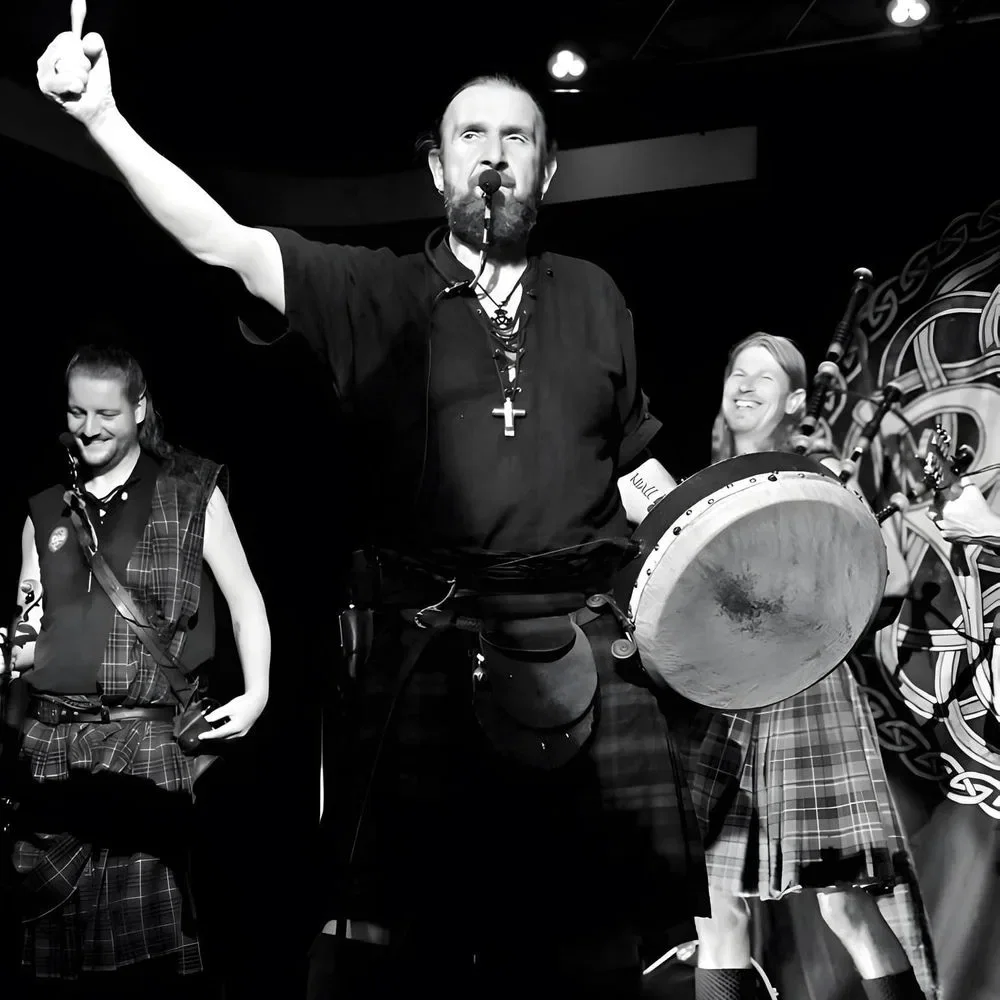
Music provided the strongest early backbone. Omnia, Faun and Corvus Corax became emblematic of a European scene where pagan folk, medieval rock, Celtic instrumentation and world-music traditions were being reworked for modern festival audiences. Bagpipes, hurdy-gurdies, frame drums, strings and old melodies could occupy large stages without being presented as museum reconstruction. Castlefest gradually widened that vocabulary. Nordic folk, dark folk, indie, heavier rock and metal all found room, particularly when artists shared its interest in myth, storytelling or atmospheric performance. A Norwegian band can draw from oral folk traditions, while a gothic metal act performs songs about witches and fairytales only hours later. Musical authenticity here does not mean pretending that the twenty-first century has disappeared. It means finding contemporary ways to make older sounds, stories and symbols feel alive.
The Wicker Ritual became the clearest physical expression of that approach. Introduced in 2007, it grew from early collaboration with Omnia and references to Lughnasadh, the Celtic festival associated with the first harvest. Visitors can place flammable offerings inside the sculpture before Saturday evening, sometimes attaching private meanings to objects they are prepared to lose. The figure itself changes every year and has taken the form of goddesses, animals, a phoenix, a dragon, trees and other symbolic beings rather than remaining a conventional “Wicker Man.” Over time, the ritual was deliberately separated from any one band and developed its own music, guardians and annual themes. That evolution matters. What began partly as an artistic element of the programme became something the wider Castlefest community collectively expects, participates in and reinterprets.
The audience creates much of the remaining visual language. Costumes can be based on recognisable fantasy universes, historical periods, folklore or no existing source at all. People build characters of their own, and the result makes simply watching the crowd a legitimate part of the weekend. The marketplace reinforces that creativity through leatherwork, jewellery, clothing, horns, instruments, illustration and handmade fantasy objects. Castlefest Academy adds lectures and workshops on subjects ranging from archaeology and mythology to music and historical practice. There is therefore a noticeable difference between attending Castlefest and merely working through a concert timetable. Missing a band because a conversation, workshop or unexpected performance has kept you somewhere else does not necessarily feel like losing the festival. The unscheduled movement is part of it.
Success has made that world far less intimate than it once was. The organisers reported 55,000 visits for the sold-out twentieth edition in 2025, supported by around 800 volunteers, and 2026 sold out again. Crowded paths and queues now coexist with the language of community and escape, creating an obvious tension between growth and the idea of a secluded “Other World.” Camping lets some visitors remain inside the atmosphere for the full four days, while others travel from surrounding towns using the festival shuttle. Yet many people return annually and describe the event in terms closer to reunion than tourism. “Welcome home” makes sense in that context. It does not imply a uniform subculture; Castlefest’s crowd is too varied for that. It describes the temporary relief of entering a place where unusual clothes, spiritual curiosity or intense enthusiasm for imaginary worlds require very little explanation.
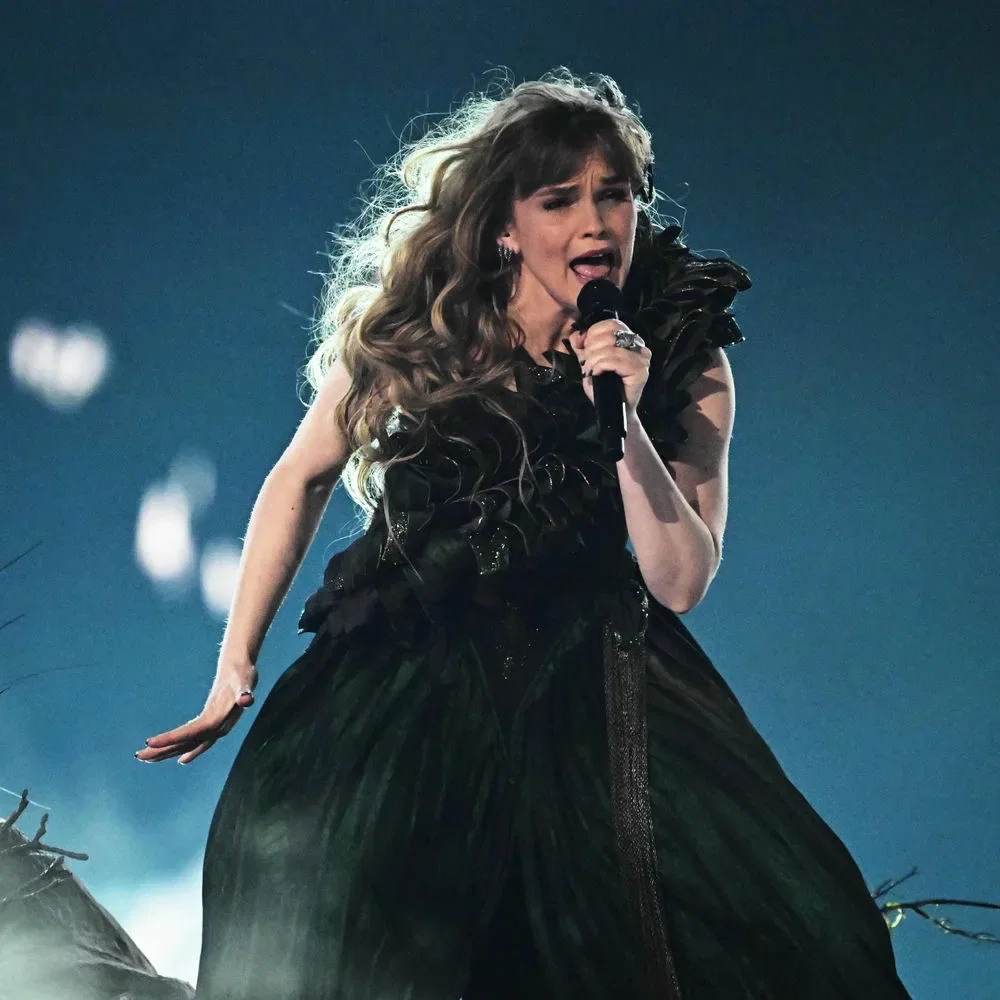
The 2026 edition, held from July 30 to August 2, showed how broad that home has become. Gåte brought Norwegian folk tradition into contemporary arrangements; Blackbriar supplied dark fairytale imagery through symphonic metal; Patty Gurdy placed the hurdy-gurdy inside modern Celtic-pop songwriting; Jonathan Hultén, Nytt Land, HRAFNGRÍMR, Celtica and NEMUER explored different routes through dark folk, ritual atmosphere and historically inspired music. That year's Wicker, Dagaz — the Dawn — centred on transformation and the point where darkness gives way to light. Castlefest returns from August 5 to 8, 2027. The dates are fixed, but the temporary world is not. Every summer the same estate is filled with new characters, another Wicker and another set of stories, then dismantled until the community is asked to imagine it again.
Genres
FOLK
METAL
ROCK
Timeline
One artist per year — highest ranked in our archive
Those who appear most across this franchise's editions.
If you like Castlefest, these have a similar lineup.