Ranking
#263

HIP HOP - INDIE - ROCK
Ranking
#263
Followers
306.6 K
When
2019
Featured artists
Lineup coming — we'll publish it as soon as it's confirmed.
13 editions to explore · future, live and past
Numbers, home base and house quirks
On a Friday night the Arena Wien sounds unlike itself: not a closed hall but an open yard where German-language hip hop shares the same air FM4 broadcasts live across Austria. That image — six thousand people in an urban venue without camping, without vast parking, without the machinery of a countryside mega-festival — captures the opening paradox of FM4 Frequency Festival. It began small and citified in Vienna, yet from day one it chased an ambition the country barely knew: several days, several genres, a young crowd, and the conviction that alternative music could fill spaces as large as classic rock ever did.
Promoter Harry Jenner, with a background in clubs and concerts, drove the first edition in June 2001 under the subtitle Vienna City Festival. His company Musicnet rented the Arena's open-air stage, one of the capital's most respected venues, and shaped two days with distinct identities: a hip hop day — Seeed, Afrob, Eins Zwo, Rah Digga — and a guitar-pop and German indie day — Blumfeld, Stereo Total, 2Raumwohnung, Heinz aus Wien, Slut. FM4, Austria's public broadcaster and alternative tastemaker, joined as media partner from the start; reports recall live broadcasts with station hosts and audiences listening in the Arena and at home simultaneously. That radio bond was not decorative sponsorship: it defined the festival's curatorial tone for years.
The debut drew roughly six thousand visitors in difficult weather. Jenner later admitted the urban format — no campsite, no large food perimeter — did not match the experience he wanted. Austria already had established countryside festivals — Jazzfest Wiesen, Two Days A Week, Forestglade — but lacked a multi-day, genre-crossing event with camping and parking like Germany's. The lesson was clear: another scale and another terrain were needed. The following year Frequency moved to Salzburgring, a racing circuit outside Salzburg, where camping and site size allowed attendance to multiply.
The Salzburgring era grew with the urgency of proving a motorsport track could become a temporary music city. Names that explain the indie and rock identity of those years appeared — Sonic Youth, Tocotronic, Die Ärzte, Sportfreunde Stiller — and the bill began mixing international headliners with German-Austrian circuit bands. Local press treated it as the moment Frequency stopped being a Viennese experiment and became a recurring summer fixture. Growth brought logistical strain: editions with very high capacity, queues, persistent rain that turned campsites to mud, and anecdotes Austrian audiences still treat as festival folklore.
One singular episode involved booking Metallica as headliner in a year when the band also had a Salzburg stadium date the same weekend; Jenner brought them to the festival site, multiplying attendance while testing security and crowd flow. Specialist accounts describe hours of congestion under the secondary tent, irregular entry and a sense of saturation that forced a rethink of audience routing. Later, an accident involving a temporary structure left injuries and reinforced the need to professionalise production. Those episodes are not the whole story, but they explain why a festival that started intimate in Vienna became obsessed with scale, safety and total experience.
FM4 Frequency's musical identity was built from the generic breadth FM4 represented on Austrian radio: alternative rock, indie, hip hop, electronics and cross-over pop without sealed compartments. Early years favoured guitar bands from the German-speaking world and names FM4 had turned into cult hits; over time the bill welcomed international headliners, EDM DJs, Austrian and German rap figures and pop acts reflecting how «alternative» and «mainstream» blurred across Europe. Jenner summed it up in interviews: what once sold as alternative now sells as pop and shares stages with electronics and hip hop. The festival works as a thermometer of those shifts more than a single-genre showcase.
In 2009 the event left Salzburgring — legendary rain and tax pressure among the reasons — and settled at the VAZ in St. Pölten, a leisure complex on the Traisen river a short distance from Vienna. The move was not only geographic: the site offered two open-air stages, a Nightpark running until sunrise, riverside camping, glamping options and an entertainment ecosystem — ferris wheel, food courts, lounge zones — answering a younger, more demanding audience. The contradiction is plain: the festival born without camping or parking ended offering a music-and-leisure package. Jenner justified it by noting each generation wants something different: less mud time, more action, more comfort, more parallel stimuli beyond the main stages.
If you camp beside the Traisen, the weekend mixes ritual and chaos. Arrival means pitching tents, walking between stages, deciding whether to stay in the Nightpark after the main headliner, and sharing space with tens of thousands who skew young and share musical reference points. Schedule overlap is part of the game: choosing between a rock set on the main stage and an electronic act elsewhere can define the memory of the trip. Reports recall afternoon concerts becoming collective moments — Mumford & Sons at an unusual hour, Massive Attack with a vast but distant crowd — and discoveries on secondary stages before artists such as Alt-J, Billie Eilish or Yung Hurn broke commercially. The pandemic broke annual continuity with cancellations that left line-ups rescheduled, another chapter Austrian audiences associate with the festival without the narrative depending on specific dates.
FM4 Frequency Festival holds a singular place on the central European map because it showed an independent promoter could build, from Vienna, a macro-event competing with major German formats while keeping much of FM4's DNA: curiosity, generational mix, and the sense that radio and the live room share the same pulse. Its story is a deliberate leap from an urban yard to a racetrack and from the racetrack to a music-and-leisure park, always with the same underlying question: how far can a festival grow without losing the identity that made it possible beside a station that listens before everyone else?
Genres
HIP HOP
INDIE
ROCK
Timeline
One artist per year — highest ranked in our archive
Those who appear most across this franchise's editions.
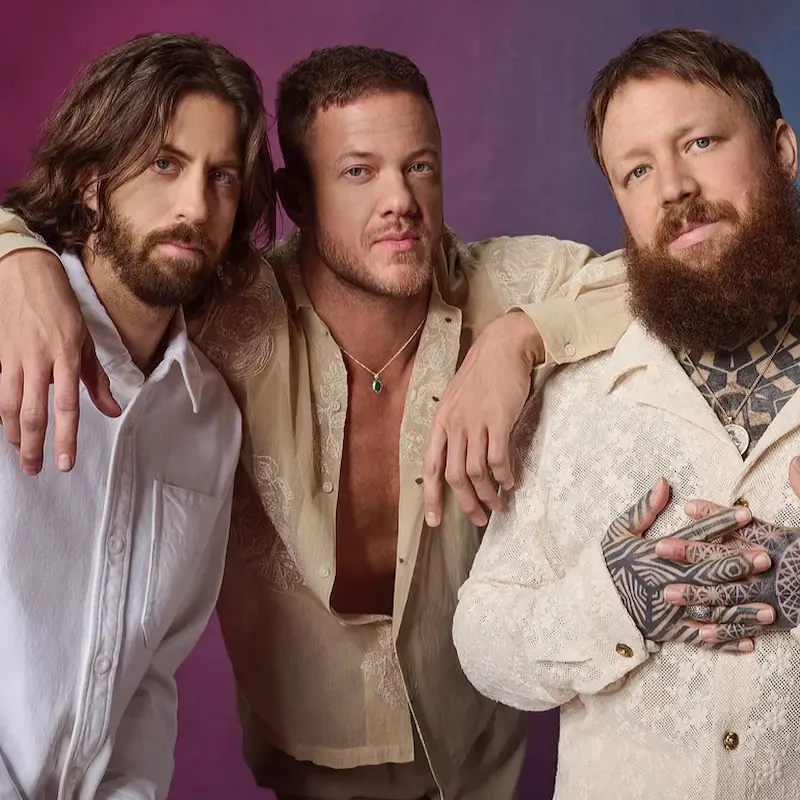 #1
#1United States
1 editions · 2023
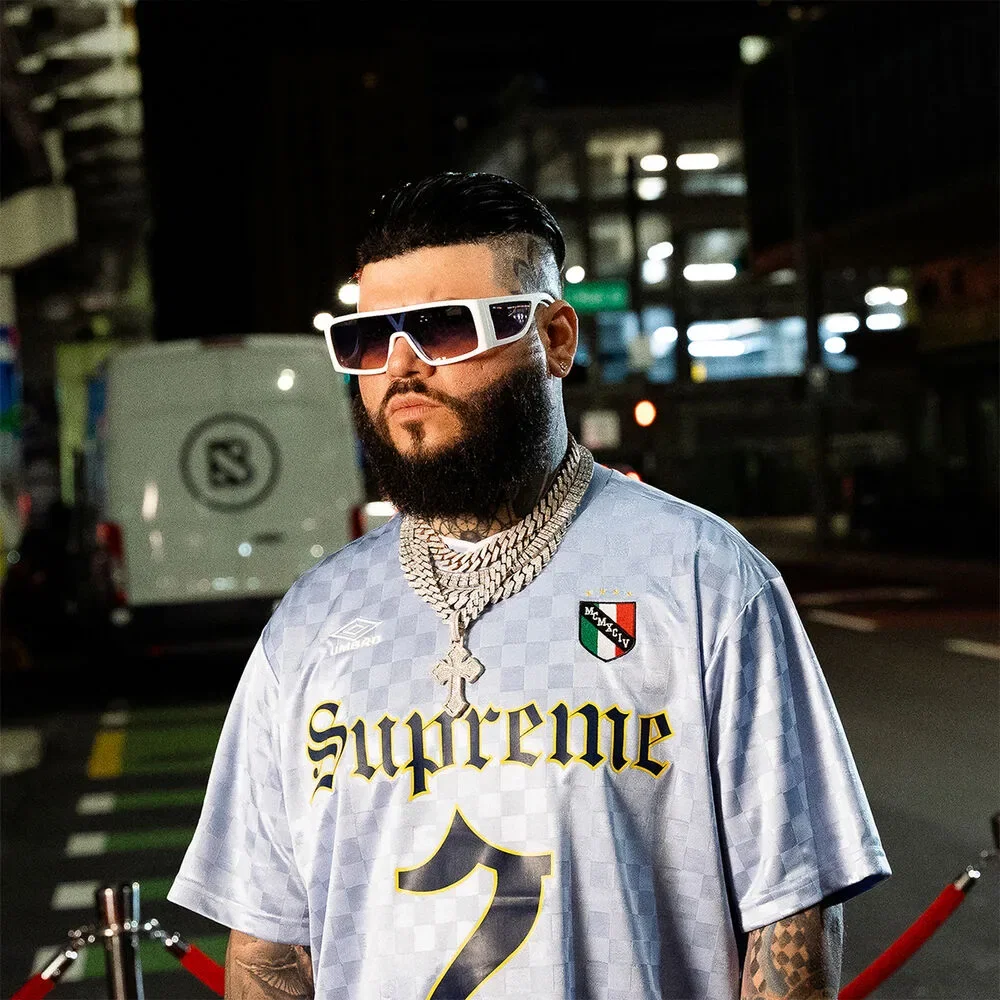 #2
#2Puerto Rico
1 editions · 2023
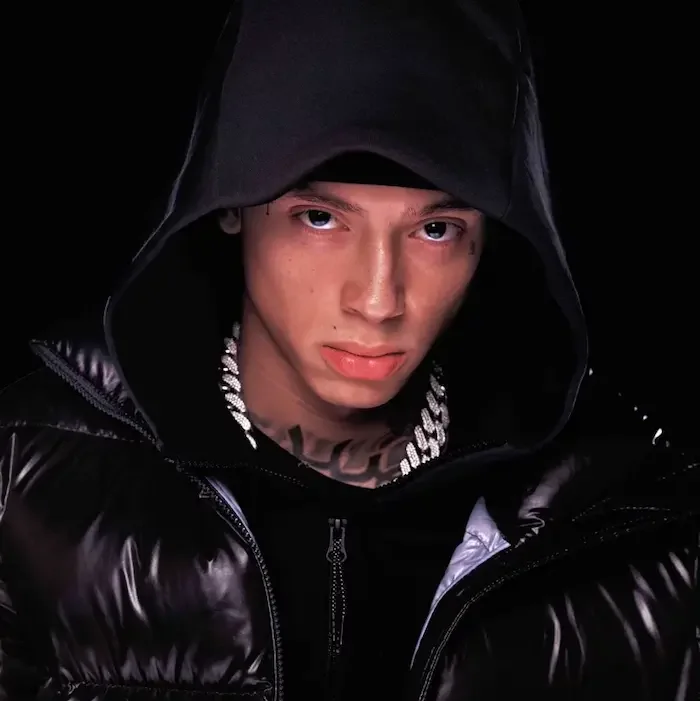 #3
#3United Kingdom
1 editions · 2023