Ranking
#149

HIP HOP - POP - ROCK
Ranking
#149
Followers
630 K
When
17–JUL 18, 2027
Featured artists
Lineup coming — we'll publish it as soon as it's confirmed.
Time left
11 editions to explore · future, live and past
 2027
2027Lollapalooza Berlin 2027
Numbers, home base and house quirks
There is something that Berlin and Lollapalooza have in common before a single note is played: both know perfectly well that their reputation arrives before they do. When the first European edition of the festival was announced for Berlin in 2015, the choice surprised no one who knew either brand. The most musical city on the continent and one of the most recognisable festival names in the world were finding a natural meeting point.
The story of Lollapalooza begins long before Berlin. Perry Farrell, singer of Jane's Addiction, founded it in 1991 as a farewell tour for his band, travelling across more than twenty cities in the United States and Canada. From the beginning it mixed genres that festivals of the era rarely placed together — alternative rock, industrial, rap, performance art — and became the defining festival of a generation. After a hiatus in the late nineties, it was reborn in 2005 as a fixed-location festival in Chicago's Grant Park, and from 2011 began expanding internationally: Chile first, then Brazil and Argentina, and finally Europe. Berlin was chosen as the first city on the continent to host the franchise, and that decision says something about how the world perceives the German capital.
The inaugural edition, on September 12 and 13, 2015, at Tempelhofer Feld — the former Nazi-era airfield repurposed by Berliners into a public park, one of the most singular urban spaces on the planet — brought together around sixty thousand people with a lineup that mixed English-language names with German artists: Macklemore & Ryan Lewis, Muse, The Libertines, Sam Smith, Tame Impala, Bastille, Martin Garrix, and the distinctly Berlin act Seeed. It was not a logistically perfect debut — hour-long queues for bathrooms and cashless payment failures — but it was a genuine inauguration, with the energy of something being tested for the first time that already sensed it was going to work.
What followed was a series of venue moves that reveals the adaptable character of the franchise. In 2016, with Tempelhofer Feld converted into a refugee shelter, the festival relocated to Treptower Park. In 2017, to the Hoppegarten racecourse on the outskirts of the city. And from 2018, the Olympiastadion and Olympiapark became its permanent home — a decision that changed the texture of the festival in a significant way. The Olympic Stadium was designed by Werner March for the 1936 Games, and the Maifeld that surrounds it — 112,000 square metres of turf that served as a Wehrmacht parade ground — is now the festival's main stage area. Few pop or hip-hop songs have been performed in a space with so much historical weight. That contradiction does not go unnoticed, and it forms part of what makes Lollapalooza Berlin different from every other edition of the franchise in the world.
The festival runs for two days and in its current format draws between eighty and a hundred thousand people per day. The programming blends international frontline pop, hip-hop, electronic music, indie, and rock, with a notable presence of German artists who in other international festivals would rarely occupy headline positions. That local visibility is something the organisation has consciously cultivated: Lollapalooza Berlin does not simply import a Chicago model and overlay it onto the city, but tries to hold a genuine conversation with the local scene. Alongside the main stage on the Maifeld, the festival includes Perry's Stage — dedicated to electronic music and named after the founder — Kidzapalooza for families with young children, the Grüne Kiez with sustainability initiatives, and Fashionpalooza as a fashion space. In 2023 it became the first festival in Germany to receive the international sustainable event management certification DIN ISO 20121, which carries real weight within the industry.
Lollapalooza Berlin is a franchise, and it would be dishonest to ignore that. But it is also a festival that has accumulated its own character, edition by edition, in a city with the unique ability to make almost anything feel more interesting than it was before it arrived. Berlin transforms its festivals, and Lollapalooza has not been an exception.
Genres
HIP HOP
POP
ROCK
Timeline
One artist per year — highest ranked in our archive
Those who appear most across this franchise's editions.
 #1
#1United States
1 editions · 2023
 #2
#2France
1 editions · 2023
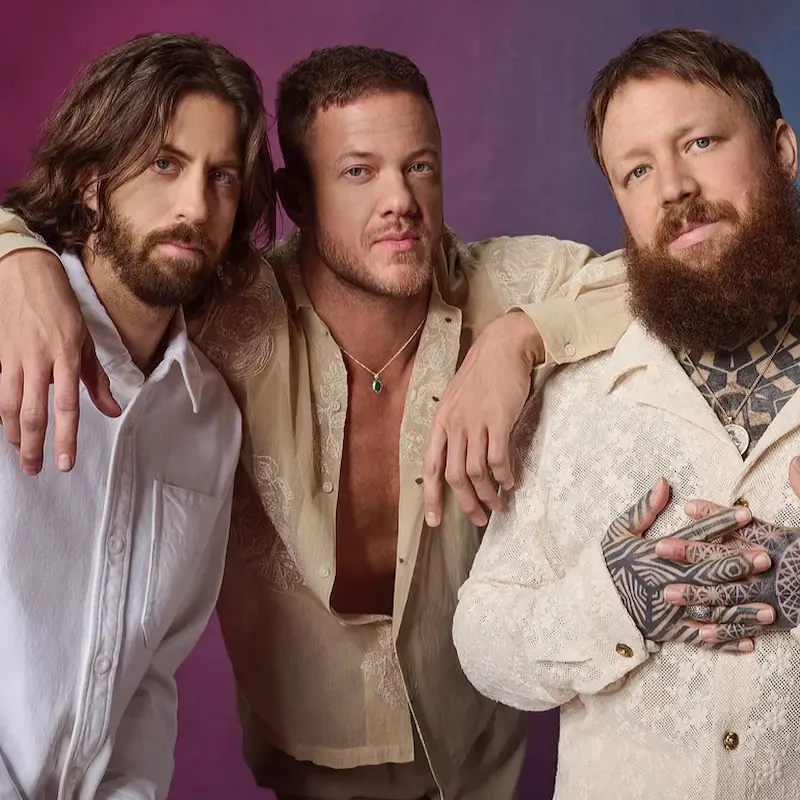 #3
#3United States
1 editions · 2023