Ranking
#852

HIP HOP - RAP
Ranking
#852
Followers
39.7 K
When
2025
Featured artists
Lineup coming — we'll publish it as soon as it's confirmed.
6 editions to explore · future, live and past
Numbers, home base and house quirks
Motorway A3 cuts through Franconia with a rhythm of lorries and holiday traffic that feels far from any Berlin club until a sign near the Geiselwind exit announces a concert where the dominant language is not global pop English but German street rap. Heroes Festival began in 2017 when Lukas Apfelbacher and Daniel Mühlpfort decided Deutschrap deserved its own summer field, away from urban bills where German hip-hop often appears as support. The first year gathered around three thousand five hundred people indoors at the Strohofer truck stop and Eventzentrum Geiselwind; the bet worked because the crowd recognised curation speaking their language and aesthetic. Moving the main stage outdoors from 2019 transformed scale and atmosphere without abandoning the motorway-adjacent identity that makes the festival geographically unmistakable.
The initial site — Strohofer service area and Eventzentrum Geiselwind in Bavaria — is neither an urban park nor a castle turned stage: it is motorway infrastructure reimagined as festival ground. That location shapes character: arrival means car or organised transport, the landscape mixes gravel, marquees and distant exhaust columns, and the feeling is collective retreat where German rap occupies centre stage without apology. From 2019 the main stage moved outdoors, expanding capacity and enabling growth placing attendance in ranges from ten thousand to twenty-five thousand people depending on edition and setup.
Heroes Festival GmbH, based in Dettelbach, structures operations with German promoter rigour and own-brand ambition. The slogan «Dein Sound. Dein Sommer.» summarises the promise: a musical summer defined by those who listen to Deutschrap on streaming, in cars and at neighbourhood parties. It does not compete to be Europe's most eclectic festival; it competes to be the most coherent within its sonic universe.
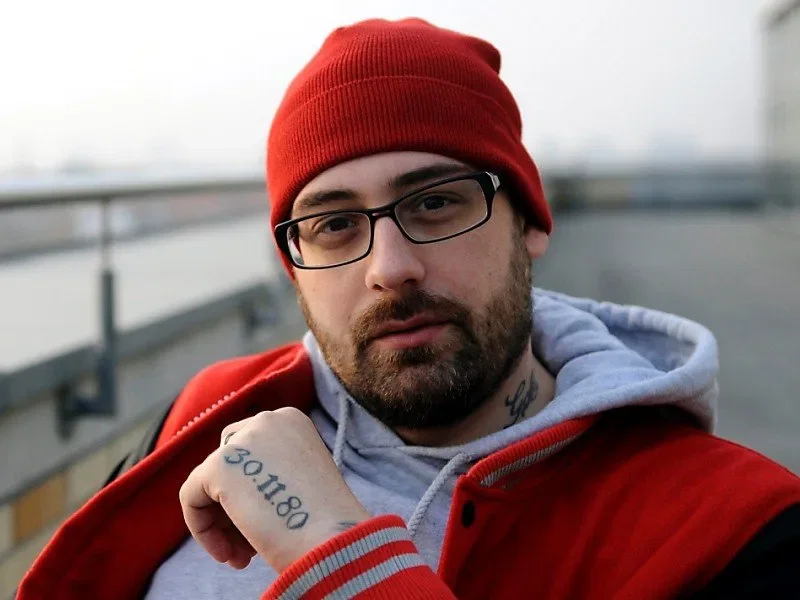
Historical programming reads as a generational map of German rap. Sido brings old-school weight that opened commercial doors; Haftbefehl represents Frankfurt hardness and the raw tone that marked a decade; Ufo361 carries trap aesthetics and auto-tune that redefined charts; Kool Savas maintains technical rhyme tradition; Gzuz and RAF Camora connect with crowds mixing street and melody; Shirin David, OG Keemo or Trettmann illustrate newer voices the festival places upfront. This is not endless listing: it shows a bill can be almost exclusively German and still fill an entire site. Each name signals a chapter of Deutschrap history rather than interchangeable chart filler, and the crowd responds with verses memorised long before the first bass drop.
The format combines evening concerts with reserved camping and general campground zones, plus front-of-stage upgrades for those wanting physical proximity to artists. The second location in Freiburg expanded the geographic model without diluting identity: southern Germany receives its own chapter of the same sonic universe, useful for those unwilling to drive half the country for a weekend.
Logistics reflect medium-high German scale: controlled access, clear separation between camping and concert areas, field-festival food services and coordination with local authorities used to A3 flow in peak season. The crowd mixes young people who know every verse with adults who followed Deutschrap from early mixtapes; the floor works as mutual recognition space more than simple headliner consumption. Security and stewarding follow the sober efficiency expected at large Bavarian events, yet the mood stays closer to summer party than corporate convention — a balance the founders have refined as attendance grew from indoor thousands toward outdoor tens of thousands.
The night-time experience combines lighting production shaped for rap — heavy bass, German sung choruses, call-and-response moments — with side zones where streetwear brands and independent labels mount activations. Reserved camping attracts groups who plan the weekend as annual ritual; general campground welcomes those improvising with tent and sleeping bag beside fans of the same artist. In Freiburg, the southern variant replicates the formula with local nuance: same curatorial DNA, different geography and crowds who need not drive across Franconia.
Reaching the site means joining A3 flow: caravans, vans covered in rap stickers and cars full of friends singing hooks before parking. Strohofer and Eventzentrum Geiselwind offer no romantic alpine panorama but well-solved German functionality: large car parks, clear signage and access timing designed for thousands who know the bill by heart. Between sets, food stalls, beer and artist merchandise keep energy high; those upgrading to reserved front of stage live the physical proximity stadium rap rarely allows.
Heroes Festival proves German hip-hop can sustain its own summer in the heart of Franconia, headquartered at a motorway enclave and growing measured from indoor halls to outdoor meadows. Between Sido, Haftbefehl, Ufo361 and voices that followed, Lukas Apfelbacher and Daniel Mühlpfort built a format where «Dein Sound. Dein Sommer.» is not empty slogan but contract with a crowd wanting their language at festival volume — and where German rap stops being secondary chapter to become absolute protagonist of the summer calendar.
Genres
HIP HOP
RAP
Timeline
One artist per year — highest ranked in our archive
Those who appear most across this franchise's editions.