Ranking
#55

METAL - POP - ROCK
Ranking
#55
Followers
1.9 M
8 editions to explore · future, live and past
Numbers, home base and house quirks
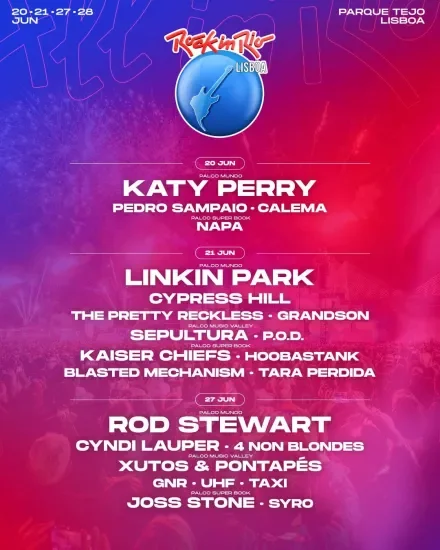
Rock in Rio Lisboa is one of Rock in Rio’s most important international expansions and one of the clearest proofs that the brand born in Brazil could cross the Atlantic without losing its scale, ambition or spirit of popular celebration. It arrived in Portugal in 2004, when the City of Rock opened its gates at Parque da Bela Vista and turned Lisbon into a European extension of the dream that had begun in Rio de Janeiro in 1985. This was not only about importing a famous name: it was about building a temporary city of music, entertainment and emotion in a capital already full of history, light, hills, river life, tradition and a deep connection with Lusophone culture.
From its first edition, Rock in Rio Lisboa was built with the ambition of a total show. The Rock in Rio brand has never been small, nor has it tried to look small. Its language is made of large stages, crowds, lineups that mix generations, long festival days, attractions, food, brands, themed areas and the feeling that the audience is not only going to watch concerts, but to spend an entire day inside a world designed for entertainment. In Lisbon, that formula found an audience able to receive international stars, Portuguese names and Brazilian artists with the same natural ease.
The festival’s Portuguese history is marked by that mixture. Rock in Rio Lisboa can bring together classic rock, global pop, Portuguese music, Brazilian artists, electronic music, hip-hop, reggae, soul, metal and urban sounds in the same edition. That crossing makes sense in Lisbon, a city that works as a cultural bridge between Europe, Brazil, Portuguese-speaking Africa and the Atlantic. Inside the City of Rock, families, veteran fans, teenagers attending their first major festival, groups of friends planning their day around impossible schedules and adults arriving for nostalgia can all share the same space, often discovering something outside their usual comfort zone.
A major part of its personality is that Rock in Rio Lisboa does not depend on one genre. Even if the name says “rock,” the festival has long been understood as a broad celebration of popular music. It can host a heavy rock night, a pop day, an urban lineup, historic Portuguese artists, Brazilian figures, electronic DJs and names that speak to several generations. That range may surprise someone expecting a traditional rock festival, but it is exactly what has kept the brand alive: the ability to move with the audience without abandoning the idea of a major event.
The move to Parque Tejo opened a new chapter. Parque da Bela Vista was, for years, Rock in Rio Lisboa’s emotional home, the place where memories, routes, stages and rituals were created. But Parque Tejo gave the recent edition a new symbolic and urban scale, connected to an area of Lisbon also shaped by major events and by the city’s relationship with the river. The 2024 edition, celebrated as the festival’s 20-year anniversary in Portugal, confirmed that transition with hundreds of thousands of visitors and a renewed City of Rock.
Attending Rock in Rio Lisboa means entering a festival that blends concert, entertainment park and urban celebration. The experience begins early, with people arriving by public transport, groups meeting at familiar points, families searching for comfortable areas, fans rushing to secure a good spot, giant screens, food, heat, river wind, schedules that force decisions and the inevitable question: stay at the World Stage or take the risk of discovering something elsewhere? The day builds in the body until the headliner arrives and the crowd turns into one voice.
There is also an emotional memory running through its editions. Da Weasel and Red Hot Chili Peppers, Amy Winehouse, Joss Stone, The Rolling Stones with Bruce Springsteen, huge pop nights, returns after the pandemic, Portuguese artists taking central spaces and international audiences sharing the same temporary city. Rock in Rio Lisboa has learned to tell its story not only through numbers, but through scenes that remain with the people who were there.
Rock in Rio Lisboa is big, bright, family-friendly, massive and diverse. It does not seek the intimacy of a boutique festival or the specialization of an underground scene. Its strength lies somewhere else: in turning several summer days into a collective celebration where Lisbon opens itself to the world, music crosses languages and generations, and the City of Rock appears again like a parallel city made of stages, memories, noise, hugs and familiar songs played at full volume.
Genres
METAL
POP
ROCK
Timeline
One artist per year — highest ranked in our archive
Those who appear most across this franchise's editions.
 #1
#1United States
1 editions · 2026
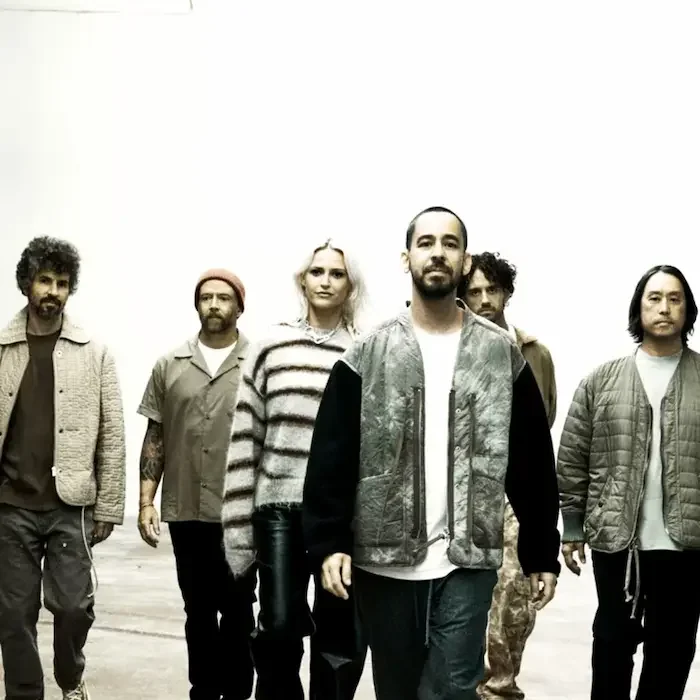 #2
#2United States
1 editions · 2026
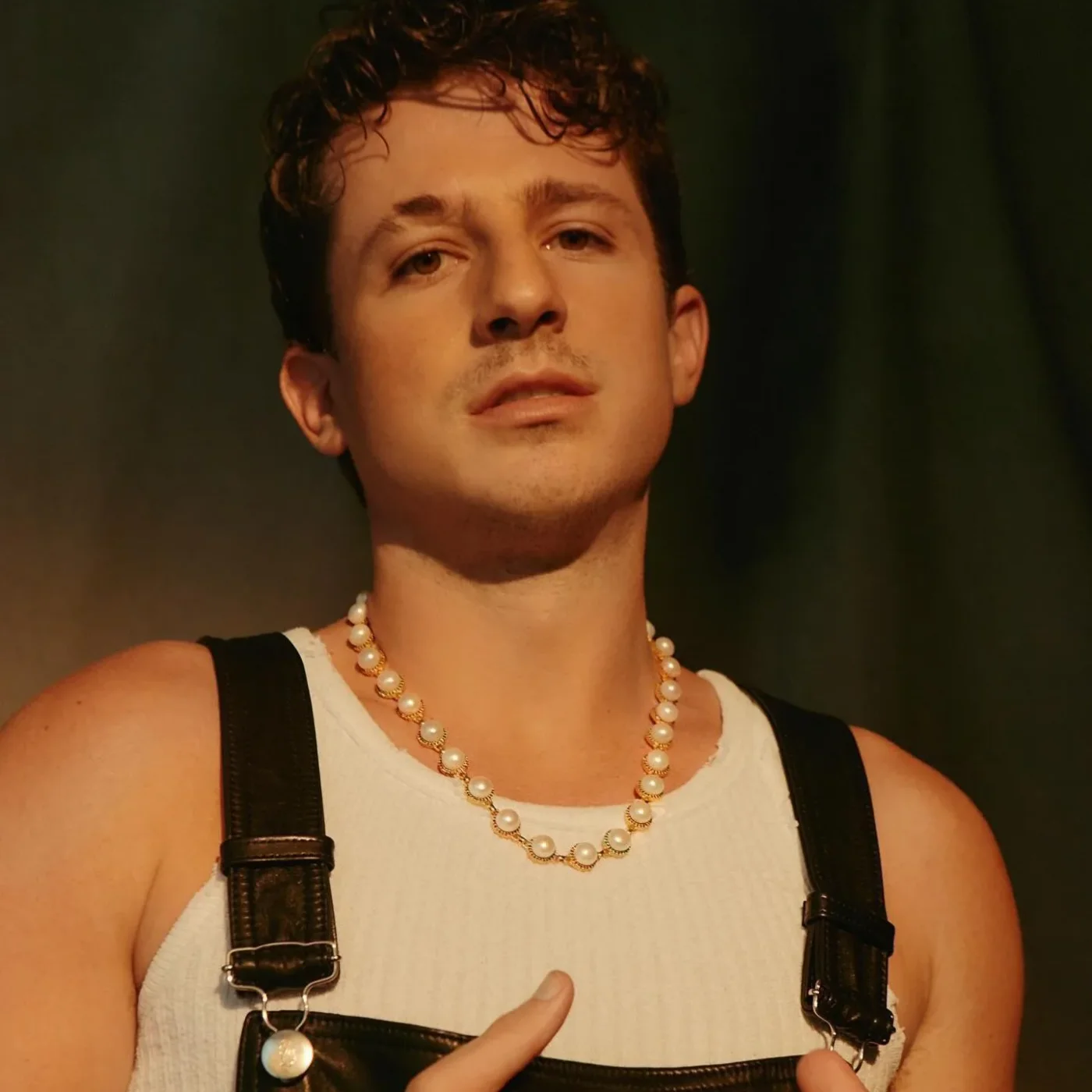 #3
#3United States
1 editions · 2026