Ranking
#8

METAL - POP - ROCK
Ranking
#8
Followers
12.2 M
When
2028
Where
Rio de Janeiro, Rio de Janeiro
Country
Brazil
Featured artists
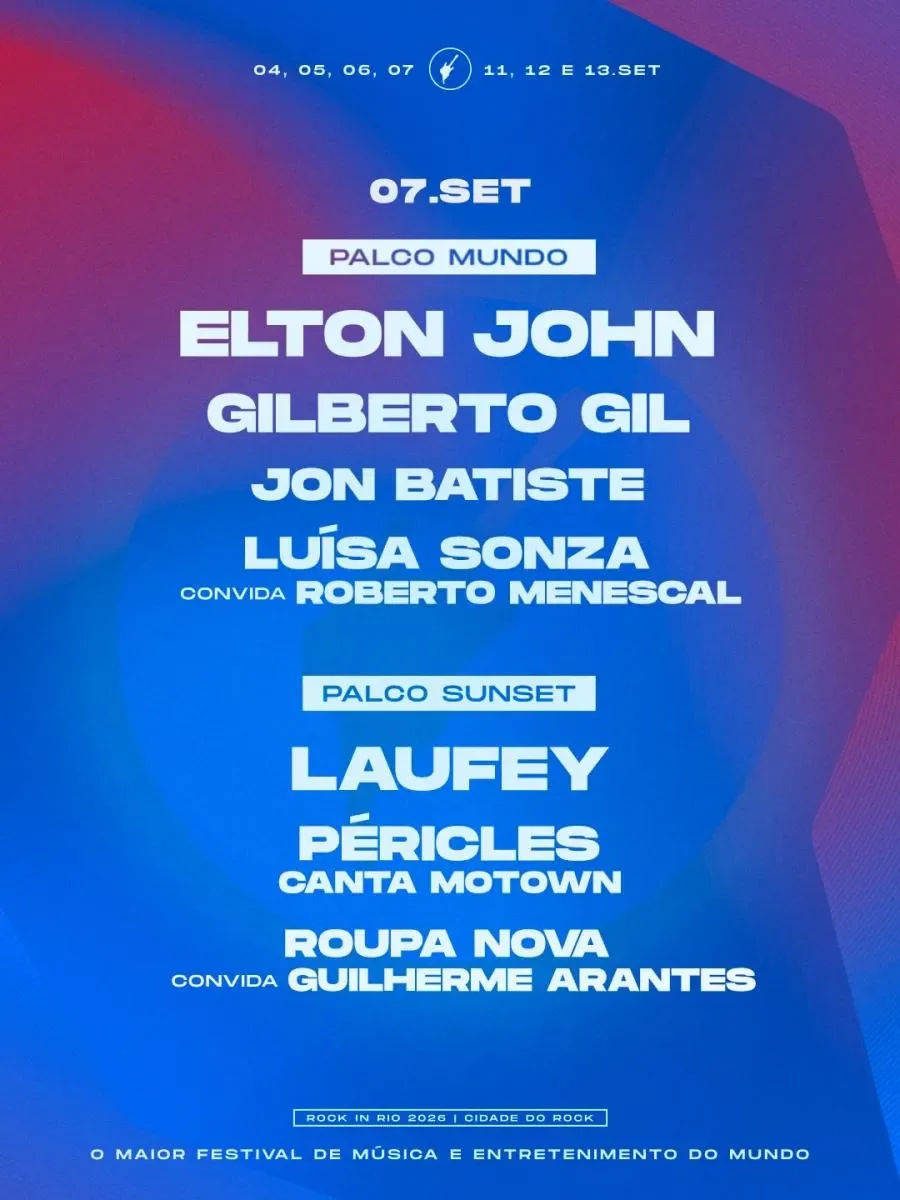
Lineup coming — we'll publish it as soon as it's confirmed.
17 editions to explore · future, live and past
 2028
2028Rock in Rio 2028
Numbers, home base and house quirks
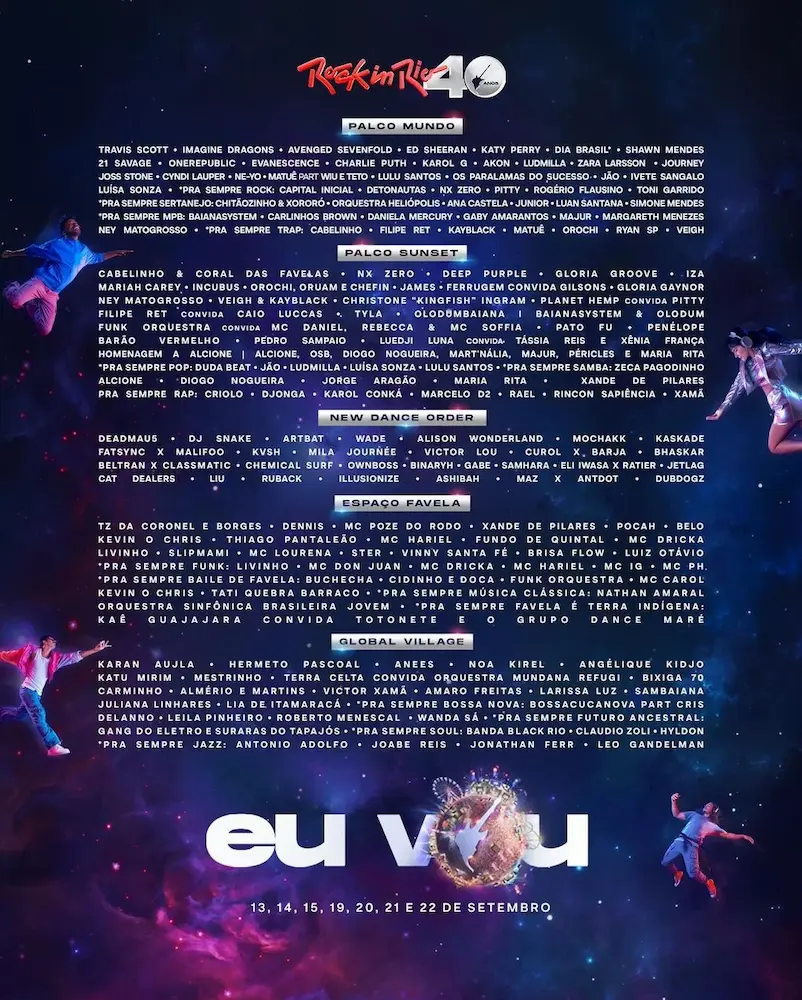
Rock in Rio was never born as just another festival. It began as an almost impossible bet in a Brazil that was changing its skin. In January 1985, as the country was emerging from military dictatorship and moving back toward democracy, Roberto Medina imagined something wildly ambitious: building a city for music in Rio de Janeiro and bringing some of the biggest artists on the planet to Brazil. Today, that may sound natural. At the time, it was not. South America was not at the center of the global live music circuit, and convincing international stars to travel there for a massive festival required vision, persistence and a certain amount of beautiful madness.
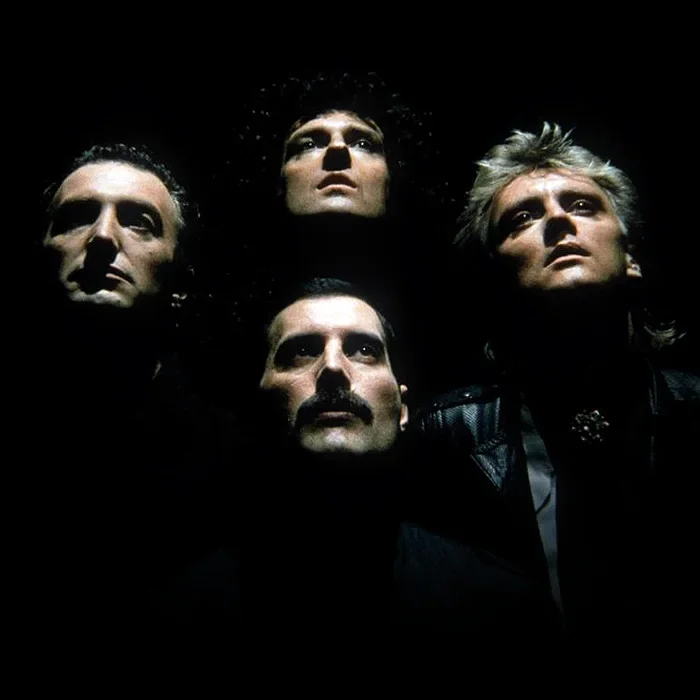
The first edition lasted ten days and brought 1.38 million people to the first Cidade do Rock. Queen, Iron Maiden, AC/DC, Rod Stewart, Ozzy Osbourne, Scorpions, Yes, George Benson and James Taylor were part of a lineup that placed Brazil in front of the world. But what stayed in the collective memory was more than the list of names. It was the image of a crowd discovering itself as part of the show. Freddie Mercury leading the audience through “Love of My Life” was not simply a concert moment. It became a scene of mass emotion, the kind of image that explains why festivals become shared memory rather than just live music archives.
Since then, Rock in Rio has changed enormously. That transformation is not a detail to hide; it is part of the festival’s identity. It was born with rock as its backbone, but over the years it became a vast entertainment city where pop, metal, electronic music, hip-hop, funk carioca, sertanejo, Brazilian music, international nostalgia and stadium-level artists all coexist. For purists, that evolution can be uncomfortable. For others, it is exactly what has kept the festival alive. Rock in Rio did not freeze itself in 1985. It learned how to grow, sell, expand and accept that a mass festival audience does not want a single identity. It wants many doors into the same experience.
The Cidade do Rock is more than a venue. It is a statement of scale. To walk through it is to understand that Rock in Rio is not trying to be intimate. There are huge stages, themed areas, brand activations, food zones, lines, attractions, screens, families, groups of friends, fans wearing old band shirts and young people who may have come for a pop star, a rapper or a Brazilian act. The experience can be overwhelming: long distances, heat, painful schedule choices, accumulated tiredness and the feeling that something important is always happening somewhere else. But it also carries a distinctly Brazilian energy. The crowd sings loudly, celebrates without asking permission and can turn even the most polished production into something emotional.
What makes Rock in Rio different is not only its size, but its historical role. It helped open the door for major international artists to play in front of monumental Latin American audiences. It also gave Brazilian music a platform to exist in dialogue with the world at massive scale. The 1991 edition at Maracanã, where a-ha played to 198,000 people, reinforced the festival’s ability to turn concerts into attendance records and pop-cultural landmarks. Later came Lisbon, Madrid and Las Vegas, but Rio remains the origin, the place where the brand has mud, history, contradiction and soul.
Attending Rock in Rio means entering a giant machine, yes, but also a tradition. Some people go for the headliner of the night. Others go for nostalgia, discovery, family ritual, tourism, curiosity or because they grew up watching images of the festival on television and want to say, “I was there.” It is a festival for excited teenagers, adults who were young when Queen or Iron Maiden became legends, full families, pop fans, metalheads, electronic music lovers, travelers and Brazilians who feel the event as part of a national story.
Rock in Rio can be criticized for being too big, too commercial or too musically broad to carry the word “rock” without debate. But perhaps that is its most interesting truth. The name remains as a monument to its origin, while the festival itself has kept mutating with popular culture. What began as an almost absurd adventure in 1985 became one of the most recognizable festival brands in the world. And when night falls in Rio, the lights rise over the Cidade do Rock and a vast crowd sings as if it were standing at the center of history, Rock in Rio still remembers its original promise: to make Brazil sound on a world scale.
Genres
METAL
POP
ROCK
Timeline
One artist per year — highest ranked in our archive
Those who appear most across this franchise's editions.
 #1
#1Brazil
9 editions · 1991–2026
 #2
#2Brazil
8 editions · 1991–2026
 #3
#3Brazil
6 editions · 2011–2024
Editorial coverage linked by archive relation.