Ranking
#56

INDIE - POP - ROCK
Ranking
#56
Followers
1.9 M
When
10–AUG 15, 2027
Featured artists
Lineup coming — we'll publish it as soon as it's confirmed.
Time left
15 editions to explore · future, live and past
 2027
2027Sziget Festival 2027
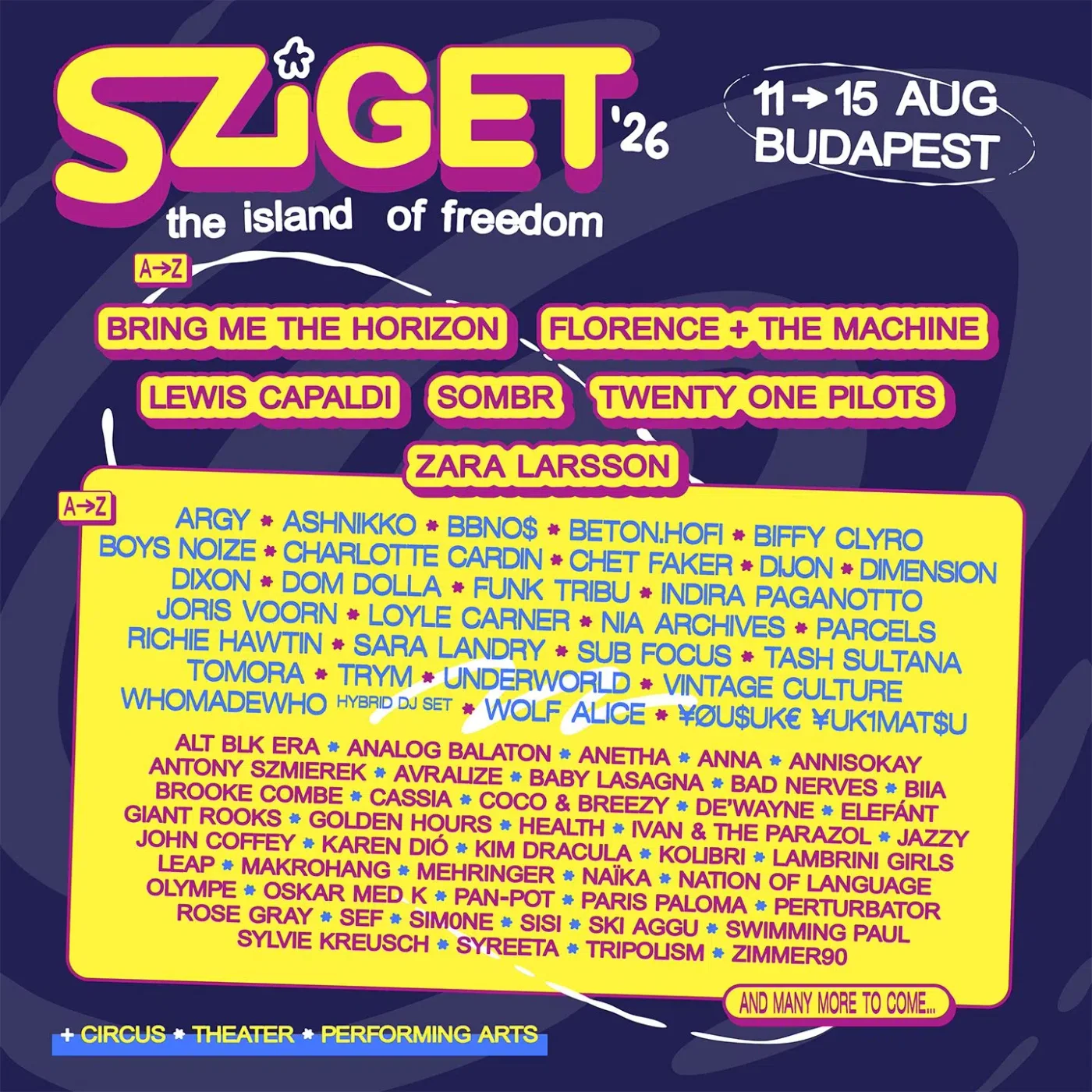 2026
2026Sziget Festival 2026
Numbers, home base and house quirks
Sziget Festival is one of the European festivals that best understands the difference between having a huge lineup and building a world of its own. In Budapest, on an island in the Danube, Sziget is not experienced only as a sequence of concerts, but as a temporary city where music, art, nightlife, camping, unlikely friendships and a sense of freedom come together for several days. Its nickname, The Island of Freedom, is not just a nice marketing phrase: it captures the way the festival has wanted to present itself since its beginnings, as a place where diversity, curiosity and coexistence are part of the program.
The story began in 1993, when the festival was still called Diáksziget, or Student Island. Hungary had gone through a deep political and cultural transformation, and Budapest needed new spaces where young people could meet, listen to music, spend time together and feel that summer also belonged to them. What began as an adventure organized by volunteers and enthusiasts ended up bringing tens of thousands of people together, with concerts, open-air cinema and theatre. That early mix already said a lot: Sziget did not want to be only a music festival, but an open cultural experience.
The location was essential. Óbudai-sziget, also known as Hajógyári Island, is not just any site. It is an island inside Budapest, connected enough to remain part of the city, but separate enough to feel like another territory. Crossing into Sziget has something symbolic about it: you leave everyday Budapest behind and enter a temporary republic made of stages, lights, tents, food, dust, trees, paths, flags, languages and people arriving from many countries with a shared desire to get a little lost.
Over the years, Sziget grew into one of Europe’s major multigenre festivals. Its program can jump from global pop to alternative rock, from hip-hop to techno, from indie to jazz, from R&B to trance, from folk to world music. That range is one of its strongest signatures. This is not a festival for only one kind of fan or one closed tribe. It is a place where someone can rush to see a massive headliner, then discover a band from another country on a smaller stage, later walk into a circus performance and end the night dancing to electronic music until sunrise.
The real Sziget experience is made of impossible choices. There is always more happening than anyone can see. There are schedule clashes, long walks, friends who want to go to another stage, artists discovered by accident, tired moments, improvised showers, heat, possible rain, queues, quick meals and nights that seem unwilling to end. Part of the charm lives exactly there: in accepting that you cannot control everything. Sziget works best when you stop chasing the perfect plan and begin to trust the island.
It also has a very particular international dimension. Attendees, known as Szitizens, come from more than one hundred nationalities, and that changes the entire energy of the festival. It does not feel like a local event with a few tourists, but like a small global city. You hear different languages as you walk, share tables with strangers, make friends at the campsite, see flags from different countries and understand why Sziget has built so much of its identity around freedom and coexistence.
Its history includes important moments, from the 1994 edition inspired by Eurowoodstock to lineups that have welcomed figures such as David Bowie, Iggy Pop, The Prodigy, Motörhead, Faith No More and many others. But Sziget does not live only on nostalgia. Its strength lies in continuing to change: bringing in new sounds, attracting younger generations, opening space for performing arts, talks, circus, workshops, installations and cultural programs that make the festival feel bigger than music alone.
Sziget is a festival for people who want more than a photo in front of the main stage. It is for those who enjoy walking without a strict destination, discovering an artist they had not planned to see, staying awake later than expected, meeting people in another language, seeing Budapest from a different angle and spending a few days on an island where the world seems to reorganize itself around music. Its magic is not that everything is comfortable or perfect, but that feeling of entering a huge, chaotic and luminous community where something is always happening.
Genres
INDIE
POP
ROCK
Timeline
One artist per year — highest ranked in our archive
Those who appear most across this franchise's editions.
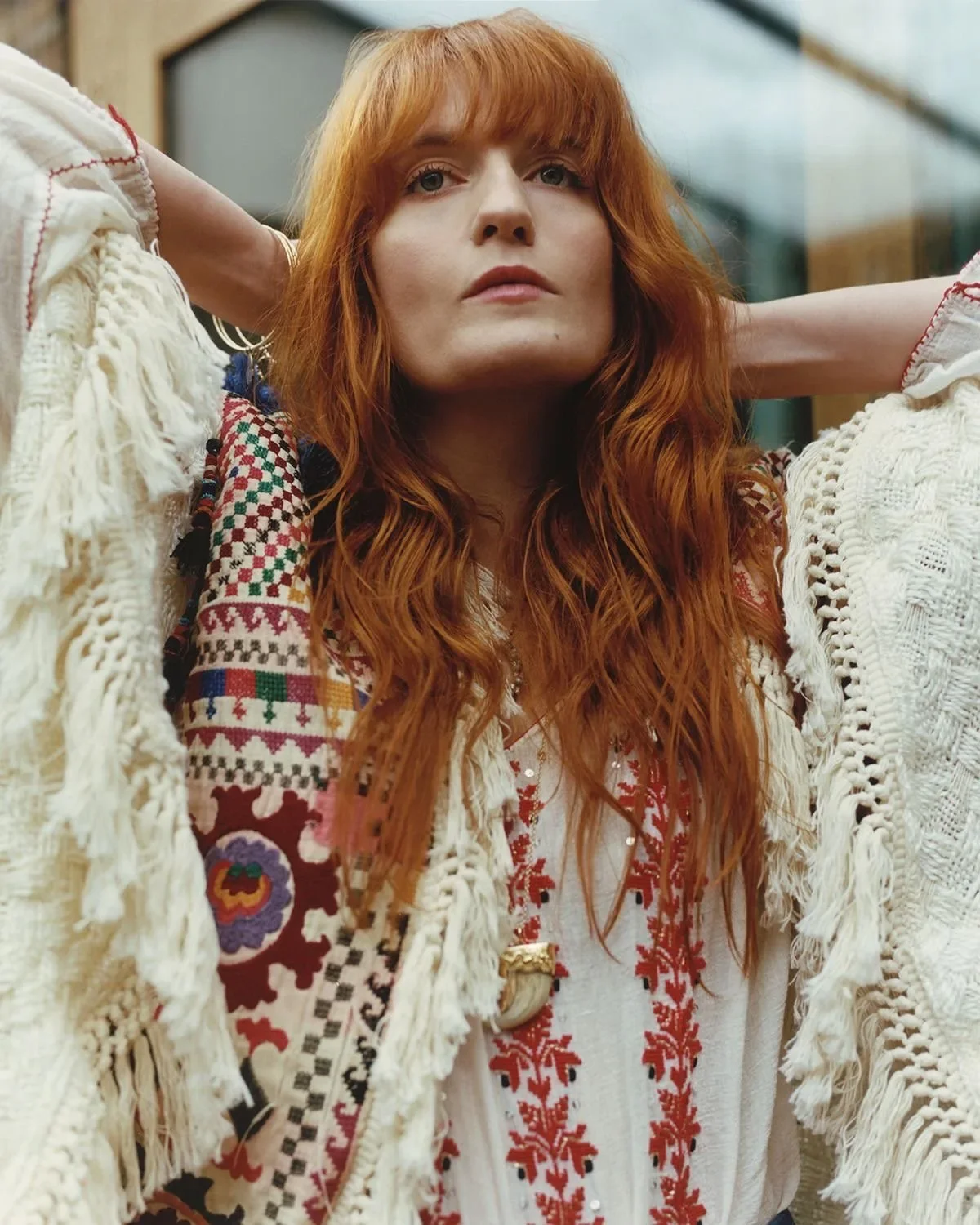 #1
#1United Kingdom
2 editions · 2023–2026
 #2
#2Germany
2 editions · 2023–2026
 #3
#3United States
1 editions · 2023