

Ranking
#658

HOUSE - JAZZ - TECHNO
Ranking
#658
Followers
79.6 K
2 editions to explore · future, live and past
Numbers, home base and house quirks
Terraforma was an Italian experimental music festival held in the historic gardens of Villa Arconati in Castellazzo di Bollate, near Milan. Founded in 2014, the event combined experimental electronic music, techno, house, jazz and sound art with an ambitious commitment to environmental sustainability and interdisciplinary creativity. Its programme brought together internationally recognised avant-garde musicians, electronic producers and artists exploring unconventional approaches to composition and performance. The natural setting was an essential part of the experience, with stages and temporary structures integrated into the gardens and woodland. Rather than following the model of large commercial electronic festivals, Terraforma encouraged attentive listening, artistic discovery and a close relationship between music and landscape. Its name referred to the idea of terraforming, a process of transforming environments to support life, used by the organisers as a metaphor for imagining new relationships between communities, artistic practices and ecological systems.
The festival was developed by Threes Productions, a cultural organisation founded by Ruggero Pietromarchi, Dario Nepoti and Alberto Brenta. Their approach connected experimental music with research into environmental regeneration and contemporary cultural production. The inaugural edition took place from June 6 to 8, 2014, at Villa Arconati, an eighteenth-century estate north of Milan whose gardens had experienced periods of neglect. Working with Fondazione Augusto Rancilio, the organisers established a programme that connected live performances with the gradual recovery of the historical landscape. Music, architecture, design and ecological responsibility were treated as interconnected elements rather than separate activities. From its beginning, Terraforma adopted a programming principle that avoided overlapping performances, allowing audiences to experience each concert without competing schedules. The concept encouraged a shared listening experience and established a sense of continuity throughout the weekend, distinguishing the event from festivals built around numerous simultaneous stages.
Terraforma's musical identity emerged through a commitment to experimentation and dialogue between artistic traditions. Its historical programmes featured Laurie Anderson, Autechre, Suzanne Ciani, Jeff Mills, Caterina Barbieri, Laraaji, Charlemagne Palestine, Donato Dozzy, Biosphere, Andrew Weatherall, Helena Hauff and Objekt, among many others. Performances explored electronic minimalism, ambient composition, experimental techno, improvisation and the relationship between acoustic instruments and electronic processing. Rather than relying exclusively on prominent headliners, the curatorial approach placed established pioneers alongside contemporary producers challenging conventional musical structures. This diversity encouraged audiences to approach music through listening and discovery, embracing unfamiliar sounds as part of the experience. The principle of one active stage at a time reinforced the importance of individual performances and created a common musical journey for visitors. Terraforma became recognised as a meeting point for musicians and audiences interested in the boundaries between contemporary electronic culture and experimental art.
Environmental sustainability was central to the festival's production and extended beyond reducing waste or adopting isolated ecological policies. Working with architects, students and local collaborators, Terraforma developed temporary wooden structures designed to minimise environmental impact and reuse materials. One of its most significant achievements was the restoration of a historic labyrinth in Villa Arconati's gardens between 2016 and 2018. The project involved planting approximately five hundred hornbeam trees according to historical garden designs. Subsequent initiatives included reforestation of camping areas and research into more sustainable approaches to event architecture. The festival also supported educational workshops, discussions and experimental construction projects, treating the site as a setting for cultural learning. Its scenic designs reflected this philosophy, with structures intended to respond to both artistic and environmental needs. Through these activities, Terraforma demonstrated that a music festival could participate directly in the regeneration of a historic landscape.
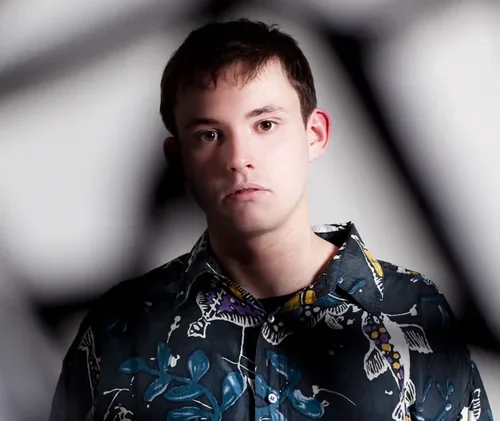
The eighth and final edition of the original festival took place from June 9 to 11, 2023, at Villa Arconati. Organisers moved the dates earlier in the summer to reduce exposure to increasingly intense heatwaves and lowered attendance capacity to limit pressure on the gardens. The programme featured artists including Deena Abdelwahed, Hudson Mohawke and Josey Rebelle, alongside other experimental music performances, workshops, discussions and exhibition spaces. The event maintained the artistic and ecological principles that had shaped the project since 2014. In December 2023, Threes Productions announced that Terraforma would not return to Villa Arconati in 2024 and that its existing model needed reconsideration. The announcement marked the end of the festival's original format after eight editions. Its history remained connected with a distinctive approach to electronic music, in which artistic experimentation, architectural design and landscape restoration were inseparable components of the experience.
Terraforma's ideas continue through Terraforma EXO, an international cultural project created by Threes Productions to develop performances and sound experiences in different urban and historical settings. In 2025, EXO presented activities in Milan, Rome, Palermo and Oslo, while its 2026 programme extended to New York, Palermo and Milan, including collaborations involving Patti Smith and Soundwalk Collective. The new format replaces the single rural venue and camping environment with site-specific events adapted to local communities and architectural spaces. Although it is not a direct continuation of the original three-day festival, it preserves the commitment to listening, artistic research and ecological awareness that defined Terraforma. The original event remains an important reference in European experimental music culture because it demonstrated how a festival could contribute to the restoration of its surroundings. Its legacy reflects an understanding of music, environmental responsibility and creative community as parts of a shared cultural process.
Genres
HOUSE
JAZZ
TECHNO
Timeline
One artist per year — highest ranked in our archive
Those who appear most across this franchise's editions.
If you like Terraforma, these have a similar lineup.